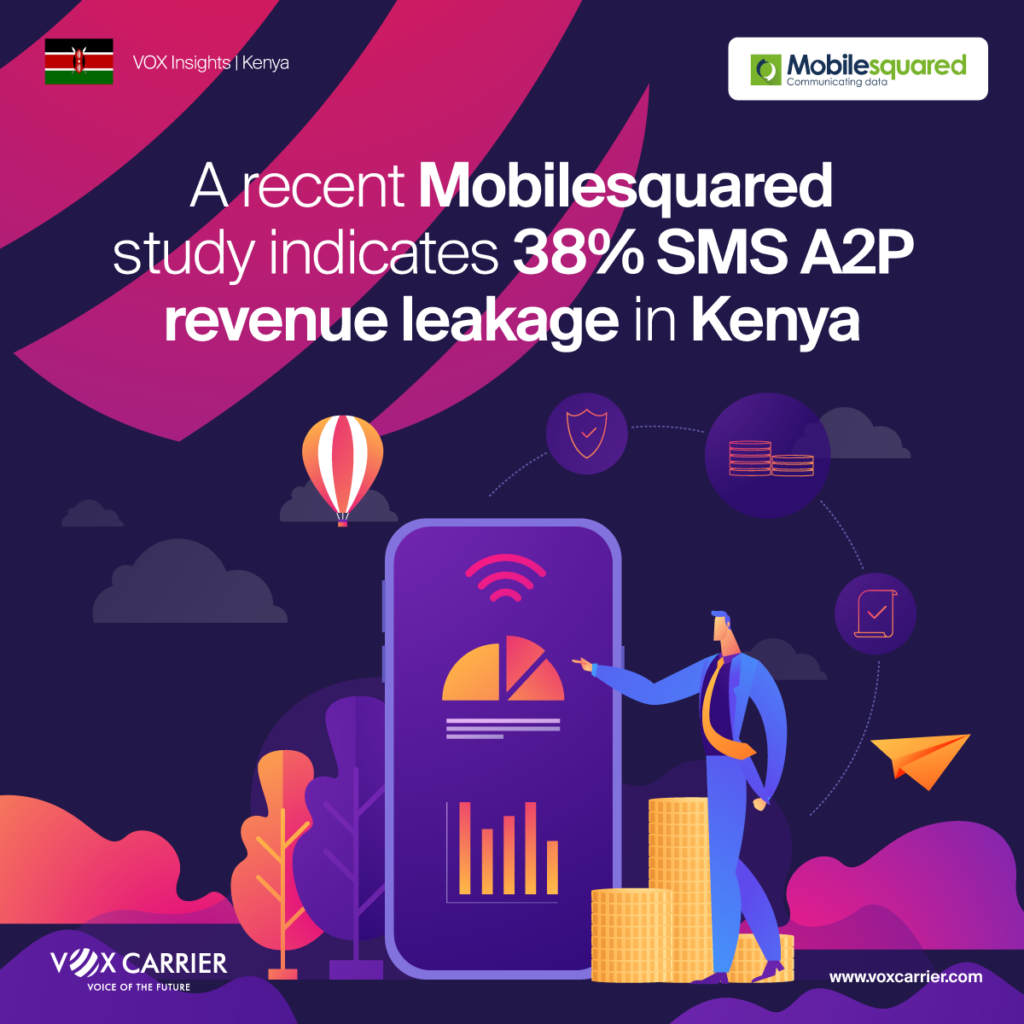
Mobilesquared most recent SMS A2P databook indicates 38% SMS A2P gray routes in Kenya. A VOX360 network audit of Kenya in 2020 also revealed that there were several clear areas of vulnerability which MNOs should look to improve. These network vulnerabilities negatively impact customer service and also act as significant barriers to MNOs being able to increase their revenue.
There are more often than not a set of common challenges that show up in country-level network analysis.
SIM-box Threat Analysis
SIM boxes are a growing threat all over the world. Opportunistic parties create a cheap, bulk SMS messaging leveraging consumer-grade technology which any person can easily secure. The practice is illegal and puts the end customer, the Messaging deliverer and the MNO at risk. The whole delivery chain is negatively impacted.
International A2P Traffic Sources
High amounts of traffic from international networks can point to a weak spot in a network that could lead to firewall bypass. International bypass traffic can often be difficult to control because high volumes of traffic can pass through a network in a very short space of time. This badly affects an MNO’s ability to manage and monetize its traffic.
In Kenya, we were able to detect 50% traffic of international origin.
Testing results for fraudulent activity in Kenya
Extremely low pricing often deserves close inspection to make sure that proper business practices are being followed. With Kenya, we found that a small but significant percentage (30%) of their SMSs were delivered at the lowest price possible.

Out of all the Hubs tested, 3 of their hubs showed very high delivery rates (over 90%) for the lowest rate on the network. It is highly inefficient and concerning to focus high efficiency and service on the lowest pricing.
High delivery rates for ultra-low-cost hubs are a red flag that reveals many potential risks. These risks could involve sim-box termination or content manipulation. The probability of these types of bypass occurring is very high, especially when terminated via local hubs, aggregators, or content providers.
Collating the findings of the Kenya network analysis
Here is a list of the challenges existing within Kenya’s network:
But what are the true risks of these findings and why do MNOs need to take them seriously?
Risks of known network vulnerabilities
There are three major threats that emerge from the findings of our network analysis:
MNOs lose money
Each network practice that reduces the efficiency of an MNO causes it to lose money. This could be Sim-box fraud, pricing imbalances, or message content manipulation. Now is the time for MNOs to optimize their systems to take back control of their own networks.
Loss of Control
By allowing outside parties to take advantage of network weaknesses, MNOs lose control. They cannot direct their own success, as outside forces are actively sabotaging their strategy. This often affects the financial success of MNOs and reduces customer satisfaction.
Privacy and Security
In a regulated industry like telecommunications, compliance is an important factor. MNOs stand to compromise the privacy and security of their customers if fraudulent schemes are left unchecked.
Conclusion
Kenya’s network infrastructure demonstrates some areas of weakness. If MNOs want to optimize their systems to maximize revenue opportunities while keeping customer retention levels high, now is the time to take back control of their operations. To combat common network attacks, MNOs should monitor and test their networks in order to take control of their revenues and customers.